Cell-Based Therapies
Approaches involving cells or specialised cell populations used or investigated in defined contexts.
Regenerative medicine is an interdisciplinary field focused on understanding and supporting the repair, replacement or regeneration of cells, tissues and biological function.
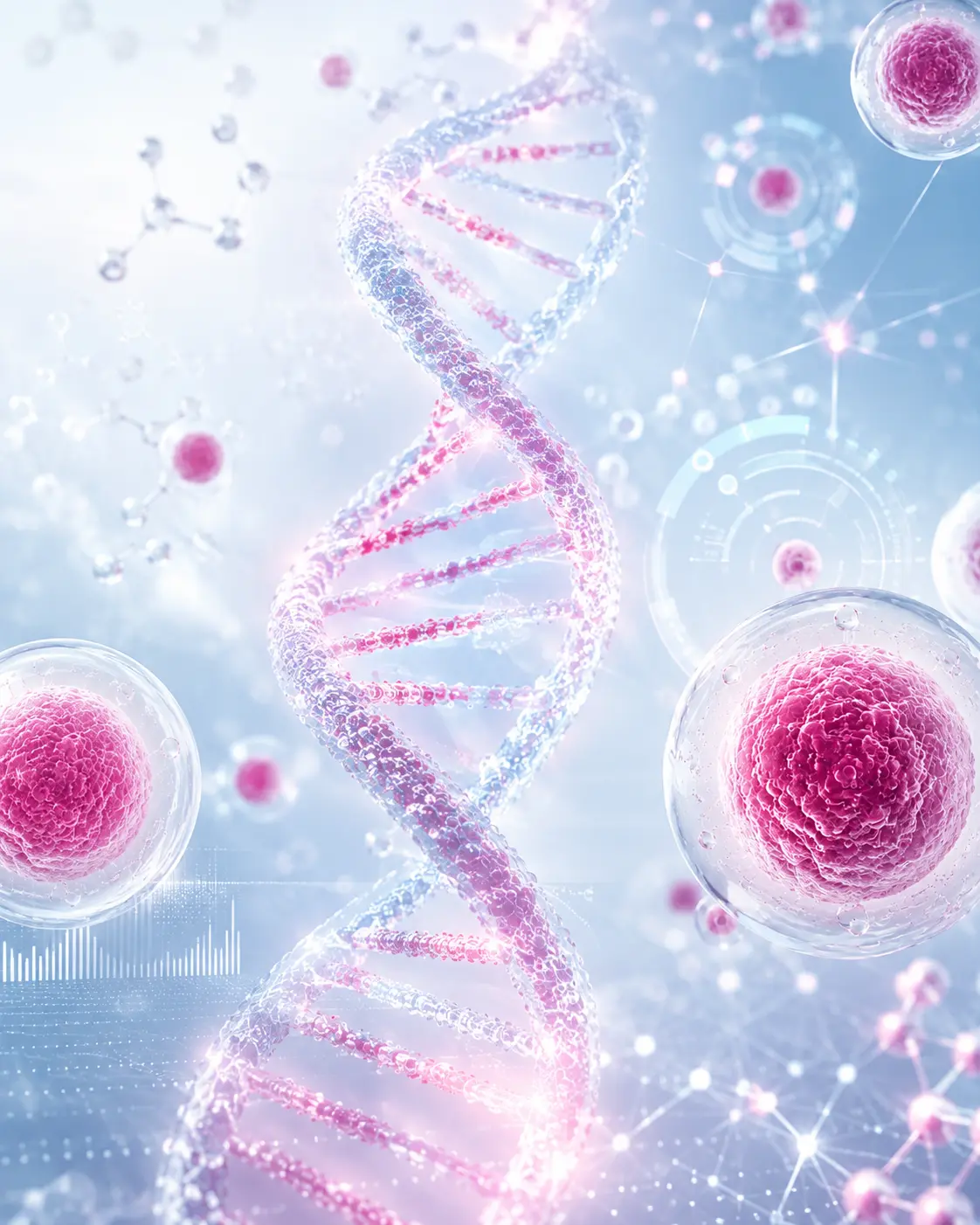
The field brings together multiple disciplines, biological mechanisms and emerging technologies.
Approaches involving cells or specialised cell populations used or investigated in defined contexts.
Biological signals influencing cell behaviour, angiogenesis, matrix production and tissue remodelling.
Cells, biomaterials and biological scaffolds designed to support tissue development or repair.
Materials designed to create structural or biological environments that support tissue response.
An emerging area studying cell-derived vesicles and intercellular communication.
Advanced technologies exploring genetic mechanisms in disease and biological repair.
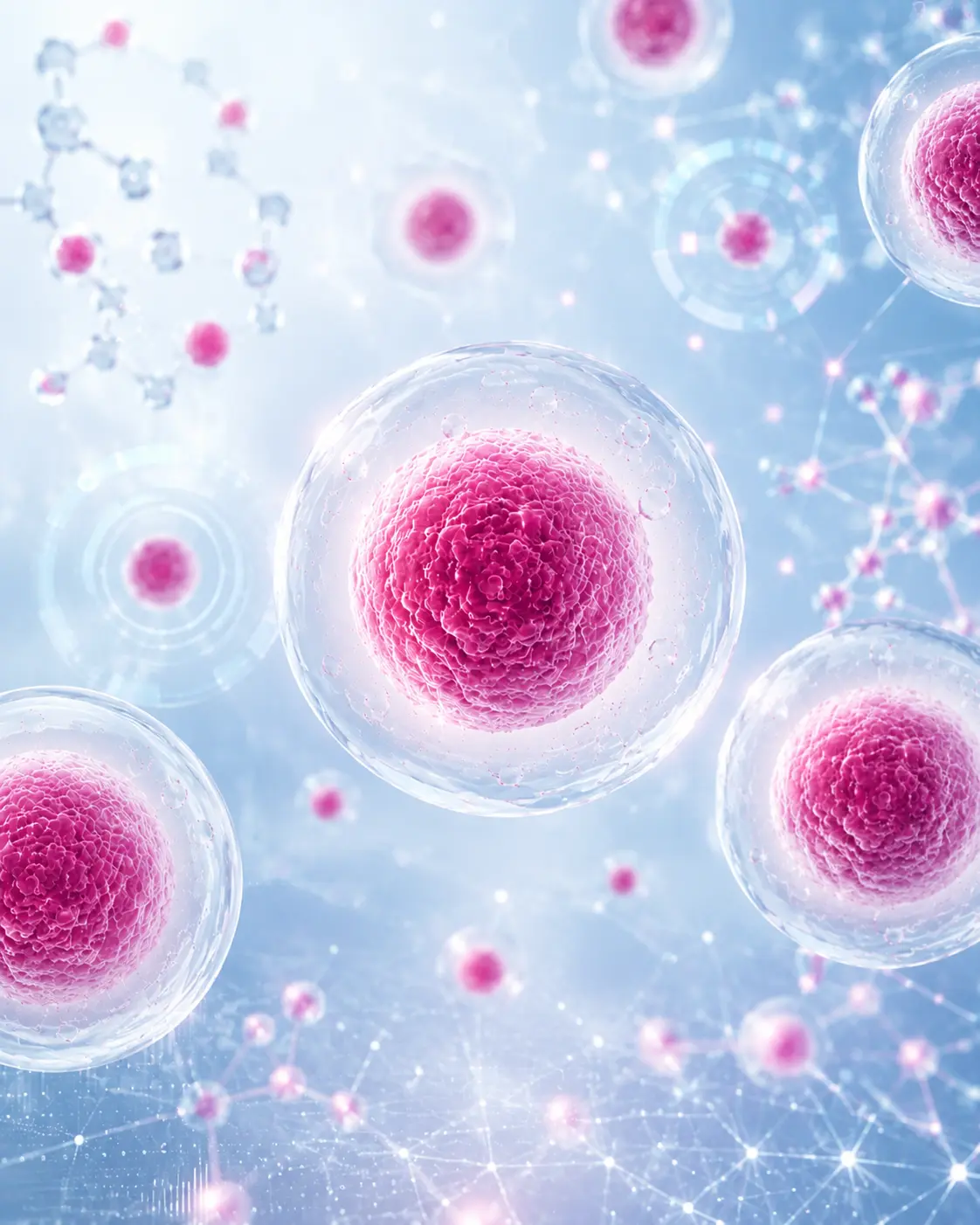 BIOLOGICAL SIGNALLING
Growth factors and signalling molecules influence processes such as cell survival, proliferation, migration, differentiation, angiogenesis and extracellular matrix production.
Biological response depends on context. Dose, timing, receptor expression, delivery method and the local tissue environment all matter.
Many regenerative technologies remain investigational or are supported by different levels of evidence. Professional assessment should consider the complete product and clinical context.
Origin, manufacturing controls, purity, consistency and handling matter.
Biological rationale should be considered alongside credible evidence.
Clinical indication, patient context, risks and alternatives require professional judgement.
Requirements and permitted uses vary by product, intervention and jurisdiction.
Visit our professional knowledge platform for deeper articles on regenerative science, signalling and emerging technologies.